


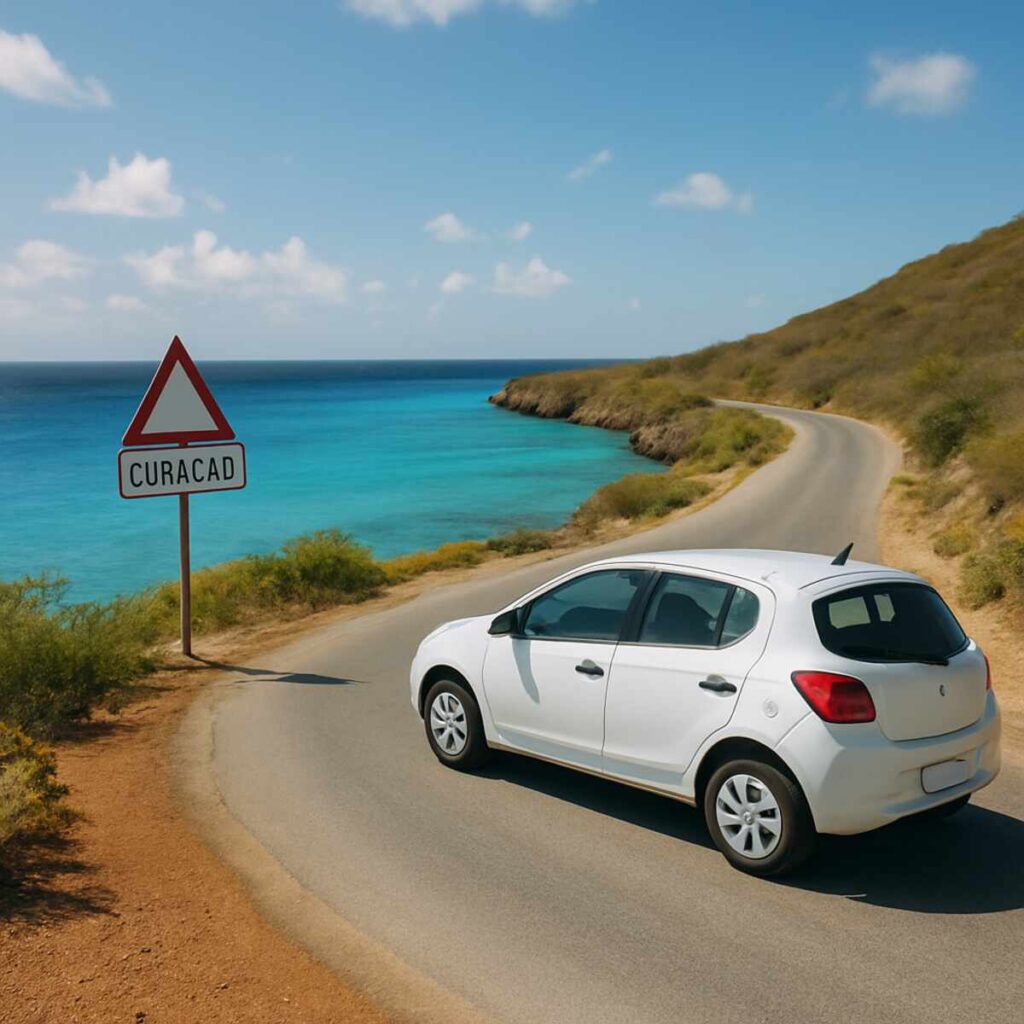
Picture this: You have just stepped off the plane, and the warm Caribbean breeze hits your face. You are finally in Curacao, an island celebrated for its vibrant Dutch colonial architecture, hidden coves, and rugged natural beauty. While many travelers are tempted to book a resort shuttle and spend their entire vacation lounging by the hotel pool, doing so means missing out on the true magic of this Dutch Caribbean gem. To truly experience the island’s secret beaches, national parks, and local eateries, you need the freedom of your own set of wheels. Select the best rent a car curacao.
If you are planning to rent a car curacao, you are making the best decision for your itinerary. Public transportation on the island is limited, and relying on taxis can quickly drain your travel budget. Having a personal vehicle allows you to chase the sunset on the western coast, explore the vibrant streets of the capital at your own pace, and pull over whenever a stunning ocean vista catches your eye.
However, driving in a foreign country always comes with a learning curve. From understanding the local road etiquette to navigating the logistics of insurance and vehicle pickup, preparation is key. This comprehensive guide will walk you through absolutely everything you need to know about securing a curacao car rental and hitting the road with confidence.
Why Renting a Car is Essential in Curacao
Before diving into the logistics, it is important to understand why opting for a car hire curacao is not just a luxury, but a practical necessity for tourists.
The Limitations of Public Transportation
Curacao does have a public transportation system consisting of large buses (called Konvoois) and smaller vans. While they are inexpensive, they are highly infrequent, especially outside the capital city of Willemstad. Routes heading to the most beautiful western beaches (Banda Abou) run on strict, limited schedules. If you miss the last bus back, you could find yourself stranded.
The High Cost of Taxis
Taxis in Curacao are unmetered, meaning you must negotiate or agree upon a fixed fare before starting your journey. A single round trip from a popular resort area like Jan Thiel or Mambo Beach to the airport or a distant beach can easily cost as much as a three-day car rental.
Unmatched Freedom and Flexibility
The most compelling reason to rent a car is the freedom it provides. Want to wake up at 6:00 AM to swim with sea turtles at Playa Grandi before the crowds arrive? Want to stay late at a beach bar to watch the sunset without worrying about how you will get back to your hotel? A rental car makes all of this possible.
Understanding Rental Requirements and Driver Qualifications
Before you browse rental agencies, you must ensure you meet the legal and policy requirements to drive on the island.
Minimum Age Requirements
One of the first things travelers ask is about the minimum age for renting a vehicle in curacao. By law, you can drive in Curacao at 18 years old. However, car rental companies enforce their own strict policies.
- Standard Minimum Age: The vast majority of rental agencies require the primary driver to be at least 21 years old.
- Young Driver Surcharges: If you are between the ages of 21 and 24, be prepared for a “young driver fee,” which typically ranges from $10 to $20 per day.
- Premium Vehicles: For luxury cars, large SUVs, or specialty 4x4s, the minimum age is often raised to 25 or even 30 years old.
- Maximum Age: Some local agencies also enforce a maximum age limit, usually around 70 to 75 years old, though this is less common with major international brands.
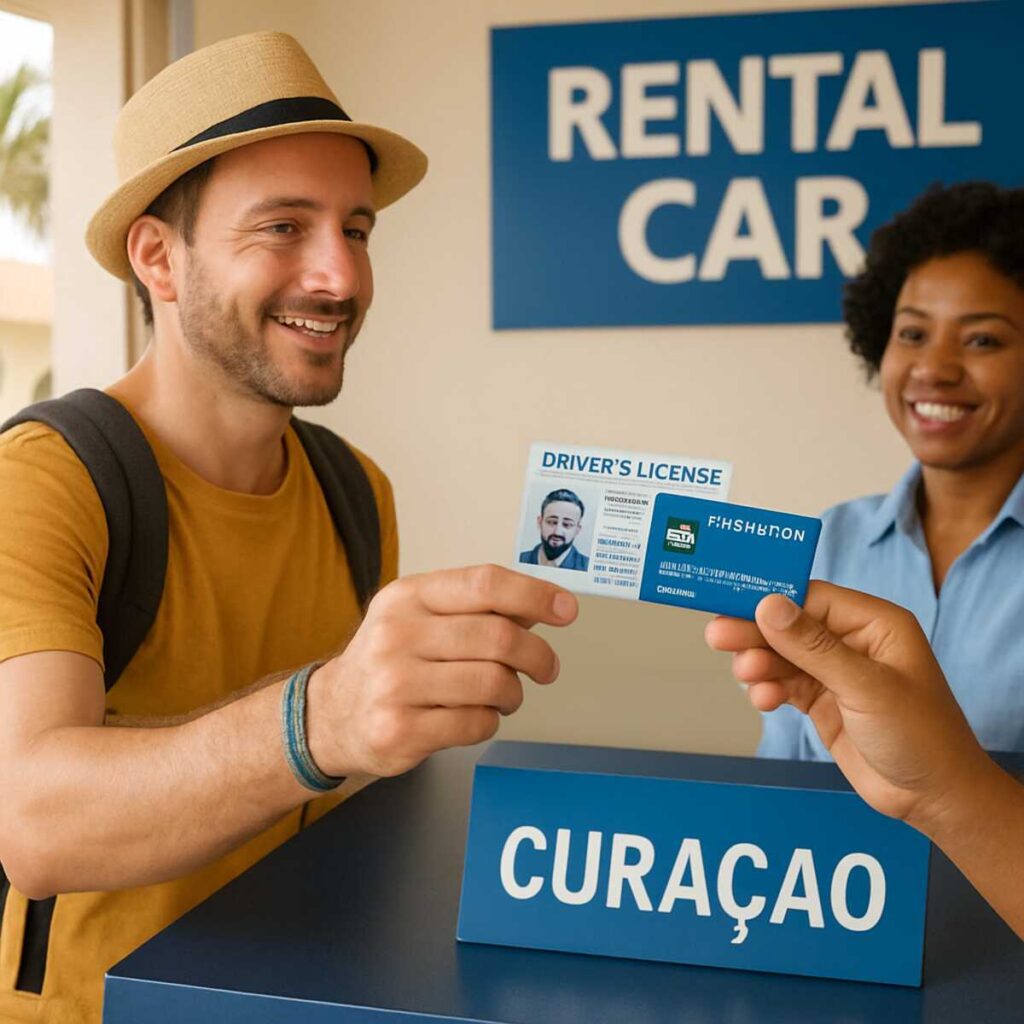
Driver’s License and IDP Rules
You might be wondering about the international driving permit requirements curacao. The good news is that for most tourists, an International Driving Permit (IDP) is not required.
- If your driver’s license is issued in the United States, Canada, the United Kingdom, or the European Union, it is perfectly valid in Curacao.
- Your license must be valid for the entire duration of your rental period.
- When you DO need an IDP: If your home country’s driver’s license is printed in a non-Roman alphabet (such as Arabic, Mandarin, Japanese, or Cyrillic), you will need to present an official International Driving Permit alongside your original license.
Credit Card Policies
Almost every rental agency in Curacao requires a valid major credit card in the primary driver’s name to secure the booking and hold a security deposit. Debit cards, prepaid cards, and cash are generally not accepted for the initial deposit, although some local companies might allow you to pay your final bill in cash. The security deposit usually ranges from $300 to $1,000, depending on the car category and the insurance coverage you choose.
Choosing the Right Vehicle for Your Itinerary
Curacao’s terrain is remarkably diverse. While the main highways are well-paved and smooth, the roads leading to secluded beaches, national parks, and rugged coastlines can be a completely different story.
Economy vs SUV for Curacao Roads
When evaluating the economy vs suv for curacao roads, your choice should depend entirely on your travel plans.
The Case for an Economy Car:
- Cost-Effective: Economy cars (like a Kia Picanto, Hyundai i10, or Chevrolet Spark) are the most budget-friendly option.
- Fuel Efficiency: Gas on the island can be expensive compared to North American prices, so a smaller engine will save you money at the pump.
- City Driving: If you plan to spend most of your time exploring Willemstad, an economy car is much easier to maneuver through narrow historic streets and squeeze into tight parking spots.
- Main Beaches: An economy car is perfectly capable of getting you to popular beaches like Mambo Beach, Jan Thiel, Grote Knip, and Cas Abao, as the access roads are paved or well-graded dirt.
The Case for an SUV:
- Comfort and Space: If you are traveling with a family, a group of friends, or carrying a lot of dive gear, an SUV provides necessary legroom and trunk space.
- Potholes and Speed Bumps: Curacao has massive speed bumps (locally called drempels) and occasional potholes, especially after heavy rains. An SUV with higher ground clearance makes for a smoother, stress-free ride.
- Unpaved Roads: If you plan to visit remote spots like Playa Murciego, San Juan beaches, or the rugged north coast, the higher clearance of an SUV is highly recommended to avoid damaging the undercarriage.
Renting a 4×4 for National Parks
For the ultimate adventure, you might consider 4×4 rentals for christoffel national park or Shete Boka National Park.
- Christoffel National Park: This park features a spectacular, winding, one-way scenic driving route that takes you through hills and valleys. While a standard car can do the mountain route on dry days, it struggles on the steep inclines. A 4×4 or a strong SUV provides safety and better handling.
- The Wild North Coast: If you want to explore the dirt trails bordering the rugged, wave-battered northern coastline, a 4×4 vehicle (like a Jeep Wrangler or a local pickup truck) is absolutely mandatory. Standard rental cars are often prohibited by contract from driving off-road, and doing so voids your insurance.
Budgeting: Costs, Fees, and Mileage
How much should you expect to spend when you rent a car curacao? Like any travel expense, prices fluctuate based on seasonality, vehicle type, and how early you book.
Average Rental Costs
The average cost of hiring a vehicle in curacao varies significantly between the high season (mid-December to April) and the low season (May to November).
- Economy Cars: Expect to pay between $35 and $50 per day.
- Mid-size Sedans: Typically range from $45 to $65 per day.
- SUVs and Minivans: Generally cost between $70 and $110 per day.
- Jeeps and Premium 4x4s: Can run anywhere from $100 to $150+ per day.
Expert Tip: If you are traveling during the Christmas holidays, Carnival season (February/March), or the North Sea Jazz Festival, car rentals frequently sell out island-wide. Book months in advance to secure a vehicle and lock in a reasonable rate.
How to Avoid Hidden Car Rental Fees
Nothing ruins a vacation budget faster than unexpected charges at the rental counter. Here is how to avoid hidden car rental fees during your trip:
- Airport Concession Fees: Renting directly from the airport terminal often incurs an extra “airport tax” or concession recovery fee (usually around 10-12%). To avoid this, look for agencies situated just outside the airport grounds that offer a free shuttle service.
- Additional Driver Fees: Many companies charge $5 to $10 per day for a second driver. Look for local companies that include a second driver for free, or check if your rental loyalty program waives this fee.
- Fuel Policies: Always choose a “Full-to-Full” fuel policy. This means you pick up the car with a full tank and return it full. If you choose “Pre-purchase” or return it less than full, the agency will charge you an exorbitant premium per liter to refuel the car.
- Cleaning Fees: Curacao’s beaches are sandy, and you will inevitably track sand into the car. However, if you return the car excessively dirty, covered in mud, or with wet seats from swimwear, you will be hit with a deep-cleaning fee (often $50 to $100). Shake off your towels and brush off your feet before getting in.
The Benefits of Unlimited Mileage Rentals
When booking, always check the mileage policy. Most reputable companies offer unlimited mileage, but some budget agencies might cap you at 100 or 150 kilometers per day, charging a high fee for every extra kilometer.
The benefits of unlimited mileage rentals in Curacao are immense. While the island is relatively small (about 60km long), driving back and forth from your hotel in the east to the beaches in the west can quickly add up. A round trip from Jan Thiel to Westpunt is roughly 100 kilometers. Add in a trip to the grocery store, a dinner run into Willemstad, and a wrong turn or two, and you will easily exceed a daily limit. Unlimited mileage gives you absolute peace of mind to explore without watching the odometer.
Navigating Insurance Options
Insurance is often the most confusing part of renting a car. Understanding the car rental insurance options curacao offers will save you from financial headaches in the event of an accident.
Mandatory vs. Optional Insurance
By law, all rental cars in Curacao come with basic third-party liability insurance. This covers damage you might cause to other people’s property or vehicles. However, it does not cover damage to your rental car.
To protect the rental vehicle, you will be offered a Collision Damage Waiver (CDW) or Loss Damage Waiver (LDW).
- Basic CDW: Covers damage to the car but usually comes with a high deductible (often $500 to $1,500). If you scratch the car or get into a fender bender, you are liable up to that deductible amount.
- Super CDW / Zero Deductible: For an extra daily fee (usually $15 – $25), you can buy down your deductible to zero. This offers total peace of mind—if the car is damaged, you pay nothing.
- Theft Protection (TP): Covers the cost if the rental car is stolen. This is highly recommended, though violent carjackings are incredibly rare, opportunistic theft of parked cars does happen.
Using Credit Card Insurance
Many premium travel credit cards offer primary or secondary rental car insurance. If you plan to rely on your credit card coverage:
- You must decline the rental agency’s CDW. If you accept their coverage, your credit card coverage is voided.
- You must pay for the entire rental using that specific credit card.
- Be aware that if you damage the car, the agency in Curacao will charge your credit card for the damages upfront. You will then have to file a claim with your credit card company to be reimbursed, which requires extensive paperwork (police reports, rental agreements, repair invoices).
Important Note: Many local rental agencies will put a much larger hold on your credit card (sometimes up to $1,500) if you decline their in-house CDW. Ensure you have a high enough credit limit.
What to Do in Case of an Accident
If you get into an accident in Curacao, do not move the vehicles. The law requires that vehicles remain exactly where the accident occurred until the official road service arrives. You must immediately call Forensys (formerly CRS) at 199. They will come to the scene, document the accident, take photos, and write a report. Without this official report, your rental car insurance (and credit card insurance) will be completely voided, and you will be held 100% financially responsible for the damage.
Where to Pick Up Your Rental Car
Choosing where to pick up your vehicle will dictate the ease of your first day on the island. You generally have two choices: at the airport or in the city.
The Curacao Airport Vehicle Pickup Process
For the vast majority of tourists, picking up a car at the airport is the most convenient option. Curacao International Airport (Hato Airport – CUR) is modern and easy to navigate.
The curacao airport vehicle pickup process is straightforward:
- Arrival and Customs: After disembarking, you will pass through immigration, collect your luggage, and pass through customs.
- Locating the Rental Desks: As you exit the arrivals hall, you will immediately see the car rental plaza directly across the street. The major international brands (Avis, Budget, Hertz, Alamo, National) have booths right here.
- Paperwork: Present your reservation confirmation, passport, driver’s license, and credit card.
- Vehicle Inspection: This is the most crucial step. Before leaving the lot, walk around the car with the attendant. Take a video on your smartphone showing the entire exterior of the car, paying special attention to the bumpers, wheel rims, and windshield. Take photos of any existing scratches or dents, and ensure the attendant marks them on the checkout sheet. Check the fuel level and take a photo of the dashboard mileage and fuel gauge.
- Exiting: Once you have your keys, you simply drive out of the rental lot. The airport is located relatively centrally, meaning you are only a 15-20 minute drive from Willemstad and a 30-minute drive from the western beaches.
Renting in the City
If you plan to spend your first few days solely exploring the walkable capital, you might prefer to rent a car later in your trip. You will find some of the best car hire companies in willemstad located near the major resort areas, such as the Jan Thiel district or the cruise ship terminal.
Many local companies, such as Just Drive Curacao, D&D Car Rental, or Prins Car Rental, offer a fantastic service where they will deliver the rental car directly to your hotel or Airbnb. This allows you to skip the airport lines entirely and start driving only on the days you actually need the vehicle.
Hitting the Road: Driving in Curacao Tips for Tourists
Driving in Curacao is generally safe and stress-free, but the island has its own unique rhythm and set of rules. Here are essential driving in curacao tips for tourists to keep you safe and driving like a local.
Basic Rules of the Road
- Driving Side: Like the US and most of Europe, driving is on the right side of the road.
- Speed Limits: Speed limits are strictly in kilometers per hour (km/h), not miles. The general speed limit is 40-45 km/h in urban areas, 60 km/h outside of town, and 80 km/h on the main ring road (Schottegatweg).
- Seatbelts: Seatbelts are mandatory for all passengers.
- Mobile Phones: Using a handheld mobile phone while driving is illegal and strictly enforced by police. Bring a dashboard phone mount from home so you can use Google Maps or Waze hands-free.
- Right of Way at T-Junctions: This is a crucial rule that catches many tourists off guard. In Curacao, at an uncontrolled intersection or T-junction (where there are no stop signs or yield triangles painted on the road), traffic coming from the right always has the right of way. Even if you are on what looks like a main road, if a car is pulling out from a street on your right, you must stop and let them go unless you have priority signs.
The Art of Navigating Roundabouts in Curacao
Curacao utilizes roundabouts (traffic circles) extensively to manage traffic flow instead of traffic lights. Navigating roundabouts in curacao can seem daunting, especially the large, multi-lane ones.
- Yield to Traffic Inside: Vehicles already driving inside the roundabout have the right of way. You must yield (wait) before entering.
- Multi-Lane Rules: If you need to take the first exit (turning right), stay in the right lane. If you are going straight (second exit), you can usually use either lane. If you are taking the third exit (turning left) or doing a U-turn, enter from the left lane and stay on the inside of the roundabout until you approach your exit.
- Use Your Indicators: Always use your right turn signal as you are about to exit the roundabout. This lets the cars waiting to enter know your intentions, keeping traffic flowing smoothly.
Watch Out for the “Curacao Wave”
Locals in Curacao are generally polite drivers. It is very common for drivers on a main road to suddenly stop to let someone pull out of a driveway or a side street. They will usually flash their headlights or give a quick hand wave to signal you to go. Be prepared for sudden stops, always maintain a safe following distance, and if someone lets you in, a friendly wave or a quick tap of the horn is the local way to say “Masha Danki” (Thank you).
Hazards to Watch For
- Rainy Roads: Curacao is an arid island, so oil and dust accumulate on the roads. When it rains (usually brief, heavy tropical showers), the roads become incredibly slick, almost like ice. Reduce your speed significantly during and immediately after a rainstorm.
- Wildlife: When driving outside the city, especially towards Westpunt, keep a sharp eye out for wild goats crossing the road. Iguanas are also notorious for sunbathing on warm asphalt.
- Scooters and Motorcycles: Be mindful of two-wheeled vehicles, which frequently weave through traffic and lane-split at stoplights.
Fueling Up: The Gas Station Experience
Pumping gas in Curacao is likely different from what you are used to back home. Understanding the gas station payment methods curacao employs will save you from looking like a confused tourist at the pump.
How to Buy Gas in Curacao
In Curacao, you cannot simply pull up, insert your credit card into the pump, and start fueling. The pumps do not have card readers.
The Step-by-Step Process:
- Park at the Pump: Pull your car up to an available pump and note the pump number.
- Go to the Cashier Window: Walk over to the centralized cashier booth (usually enclosed in bulletproof glass).
- Pay First: Tell the cashier your pump number and how much gas you want to buy. You must prepay. If you want to fill the tank, you can leave cash or your credit card with the cashier, or ask to authorize a specific amount (e.g., 100 Guilders).
- Pump Your Gas: Return to your car, select the fuel type, and pump the gas. The pump will automatically stop at the amount you paid for. If you left a deposit to fill the tank, return to the cashier to settle the final bill and collect your change or credit card.
- Fuel Types: Most rental cars take unleaded gasoline, labeled as “Gasoline” or “Benzine” (usually a green handle). Diesel is typically a black or yellow handle. Always double-check your rental agreement for the correct fuel type; putting diesel in a gasoline engine will destroy it, and insurance will not cover this negligence.
Payment Methods at the Pump
- Cash is King: Paying in cash is the fastest and easiest method. Gas stations accept both Antillean Guilders (ANG/NAF) and US Dollars (USD). If you pay in USD, you will likely receive your change in Guilders.
- Cards: Debit and credit cards (Visa/Mastercard) are widely accepted at the cashier windows. Discover and American Express are rarely accepted.
Expert Tip: Gas stations are clustered around Willemstad and the eastern side of the island. Once you drive past the town of Barber heading towards Westpunt (the western tip), gas stations are virtually non-existent. Always ensure you have at least a half tank of gas before heading west for a beach day.
Parking Protocols and Safety
Finding parking in Curacao is generally easy, but the rules change drastically depending on where you are.
Parking Rules in Punda and Otrabanda
Willemstad is divided into two main historic districts separated by the Queen Emma Pontoon Bridge: Punda and Otrabanda. The parking rules in punda and otrabanda require attention to avoid getting a parking boot (a wheel clamp) on your rental car.
- Paid Parking Zones: The streets in the heart of Punda and Otrabanda are paid parking zones. Look for a parking meter or a pay-and-display machine nearby.
- How to Pay: Most machines take coins (Guilders) or require a local parking app. When you pay at the machine, you will receive a ticket. You must display this ticket clearly on your dashboard.
- Free Parking Hours: Street parking is generally free after 6:00 PM and all day on Sundays, but always check the signs to be sure.
- Waaigat Free Parking: If you want to avoid paying in Punda, there is a large, free public dirt parking lot located at Waaigat, just a 5-minute walk from the city center. It is safe during the day, though it is best to avoid leaving your car there late at night.
- Renaissance Parking Garage: In Otrabanda, the Renaissance Mall offers a large, secure, multi-level parking garage. You take a ticket upon entry and pay at a machine before returning to your car. This is highly recommended for security and to keep your car out of the blazing sun.
Beach Parking and Vehicle Security
When parking at the beaches, security should be your top priority. While Curacao is a safe destination, rental cars are obvious targets for petty thieves looking for quick cash or electronics.
- Never Leave Valuables in the Car: This is the golden rule. Do not leave phones, wallets, passports, or cameras in the car. Even hiding them in the trunk or under a seat is risky, as thieves may watch you stow them.
- Leave the Car Empty and Unlocked: Many locals and frequent tourists use this strategy at remote, unmanaged beaches (like Playa Manzanillo or San Juan). Take absolutely everything out of the car, leave the glovebox wide open to show it is empty, and roll the windows down a crack. Some even leave the doors unlocked. This prevents thieves from smashing a window just to check if something is inside.
- Paid Beach Lots: Popular beaches like Cas Abao, Porto Marie, and Mambo Beach have gated parking lots with attendants. You pay an entrance fee per car, and these lots are generally very safe.
The Ultimate Road Trip: Best Places to Explore by Car
Now that you are an expert on how to rent a car curacao and navigate its roads, it is time to map out your adventures. Having a vehicle opens up the entire island. Here are a few must-do drives.
The Best Beaches to Visit by Car in Curacao
The true treasures of Curacao are its beaches, most of which are tucked away on the western side of the island (Banda Abou). A car is absolutely essential to beach-hop effectively.
- Grote Knip (Playa Kenepa Grandi): Arguably the most photographed beach on the island, famous for its blindingly turquoise water. Parking is free and located right at the top of the cliff, offering a spectacular viewpoint before you walk down the stairs to the sand.
- Playa Porto Marie: Famous for its resident wild pigs that sunbathe on the sand, this beach features a double reef that is incredible for snorkeling. The drive down the winding, paved hill to the beach is beautiful. There is a large, secure parking area (entrance fee required).
- Cas Abao: A pristine, long stretch of white sand with palapas and a beach bar. The access road is a bumpy, unpaved dirt path that takes about 5 minutes to drive down. Take it slow, especially if you rented an economy car.
- Playa Grandi (Playa Piskado): This is a working fisherman’s beach where sea turtles gather daily to feed on fish scraps. Parking can be chaotic here; it is a small, unpaved lot that fills up quickly. Arrive before 9:00 AM to secure a spot and enjoy the turtles without the crowds.
Exploring the Wild East: Sint Joris Baai
While tourists flock west, locals head east for off-road adventures. If you opted for a 4×4, drive out to Sint Joris Baai. This massive inland bay on the rugged windward coast is a paradise for kite surfers. The dirt roads weaving through the cacti and aloe plants make for an exhilarating drive, far removed from the resort crowds.
The Christoffel Mountain Route
Driving through Christoffel National Park is a highlight for nature lovers. The park features a dedicated, one-way asphalt route that twists and turns through the hills, offering breathtaking panoramic views of the island. You can drive to the base of Mount Christoffel, park your car, and hike to the highest peak in Curacao. Remember, if you plan to hike, you must begin before 10:00 AM due to the extreme midday heat.
What to Do Before You Return the Car
All good vacations must come to an end. To ensure a smooth checkout process and protect your security deposit, follow these steps before returning your curacao car rental:
- Refuel Near the Airport: If you have a full-to-full policy, refuel just before dropping off the car. There is a modern gas station (Pompstation Hato) located less than 2 kilometers from the airport entrance.
- Shake Out the Sand: While you do not need to have the car professionally detailed, take 5 minutes to shake out the floor mats and wipe down the seats. This simple courtesy ensures you will not be hit with an unexpected cleaning fee.
- Final Inspection: When returning the car to the lot, have the attendant walk around the vehicle with you. Show them the video you took on day one. Ensure they sign off on the checkout paperwork stating there is no new damage, and get a receipt showing your final balance is zero and your deposit has been released.
Conclusion: Ready, Set, Drive!
Choosing to rent a car curacao is the single best investment you can make in your Caribbean vacation. It transforms a standard resort stay into a dynamic, unforgettable adventure. From the vibrant, mural-lined streets of Willemstad to the untouched coral reefs of the western beaches, the island is yours to discover.
By understanding the age requirements, choosing the right vehicle for your terrain, navigating the local insurance landscape, and following the unique driving customs of the island, you are setting yourself up for a flawless road trip. So pack your driver’s license, load up your offline maps, and get ready to experience the vibrant, colorful, and wild beauty of Curacao from the driver’s seat. Safe travels and happy exploring!