


Luxury brands have historically been synonymous with exclusivity, superior craftsmanship, and unparalleled quality. However, in the modern era, these attributes are being redefined. The democratization of luxury, driven by digital transformation and global economic shifts, has altered the traditional paradigms. Choose the luxury fashion brands.
Redefining Exclusivity
Exclusivity, once the cornerstone of luxury, is transforming. While exclusivity remains a pivotal element, the definition has expanded beyond mere rarity or price point. Today, luxury brands are increasingly focusing on personalized experiences and bespoke services to maintain exclusivity. This shift from product-focused exclusivity to experience-driven luxury is a significant trend shaping the future of luxury brands.
Moreover, modern consumers are looking for brands that resonate with their personal values and lifestyle choices. This has led to the rise of limited edition collections and collaborations that offer something unique and aligned with consumer aspirations. These strategic moves not only maintain the aura of exclusivity but also foster a deeper connection between the brand and its clientele.
In addition, the digital age has introduced new dynamics to exclusivity. Online platforms allow brands to create virtual waiting lists and exclusive online events, thus reaching a wider audience while preserving the sense of privilege. This digital exclusivity caters to tech-savvy consumers who seek luxury at their fingertips, blending traditional notions with modern accessibility.
Sustainability and Ethical Practices
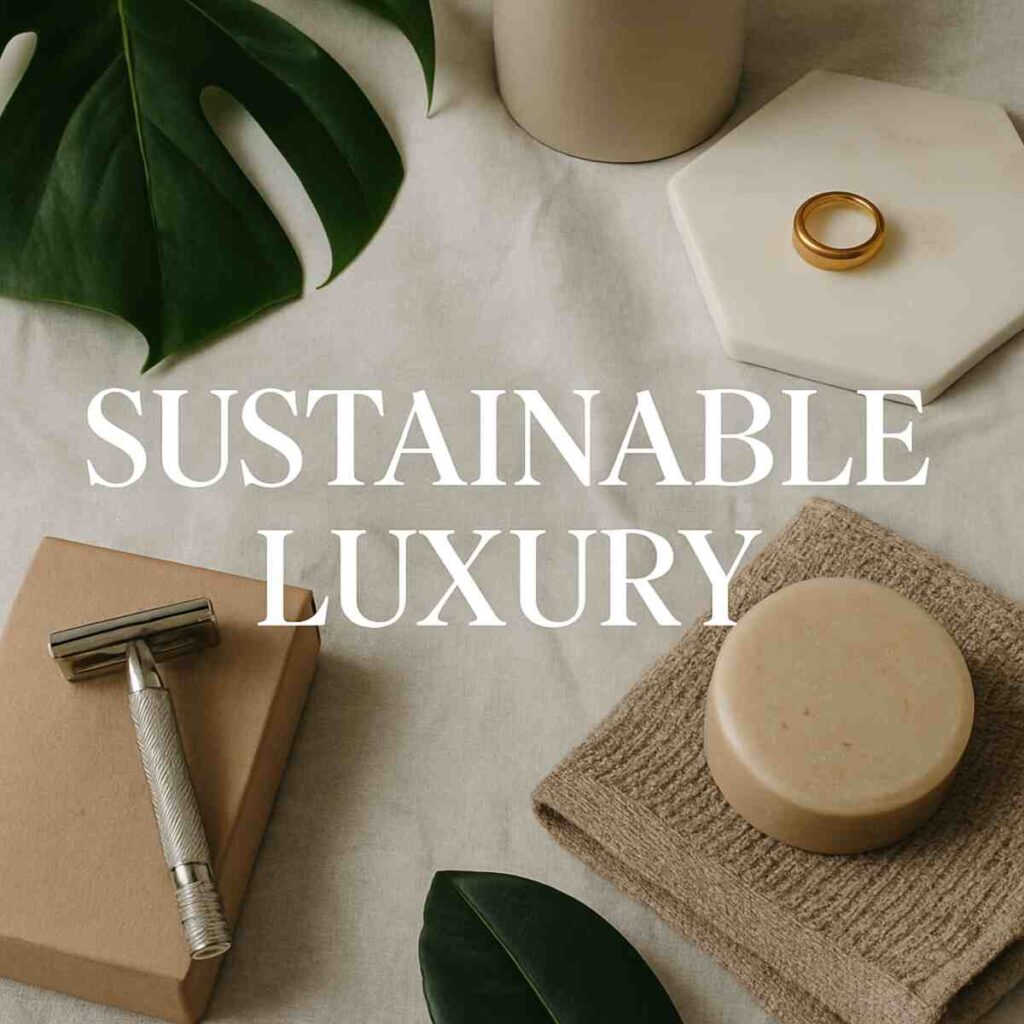
In response to growing environmental concerns, sustainability has emerged as a crucial trend within the luxury sector. Modern consumers demand transparency and ethical practices from the brands they support. Consequently, luxury brands are investing in sustainable materials, ethical labor practices, and eco-friendly production methods. This trend is not just a moral imperative but also a strategic business decision, as it resonates with the conscientious consumer.
Consumers are increasingly scrutinizing the environmental impact of their purchases, leading brands to adopt circular economy principles. This includes initiatives like recycling programs, upcycling materials, and ensuring their entire supply chain adheres to sustainable practices. Such measures not only reduce environmental footprints but also appeal to eco-conscious consumers who prioritize sustainability in their purchasing decisions.
Furthermore, luxury brands are engaging in philanthropic initiatives and partnerships with environmental organizations to amplify their commitment to sustainability. These collaborations not only enhance brand reputation but also foster consumer trust and loyalty. As sustainability becomes a central narrative, brands that embrace it are more likely to thrive in a market that values ethical consumption.
The concept of luxury is also being redefined through the lens of sustainability. Brands are now focusing on creating timeless pieces that are built to last, moving away from fast fashion cycles. This not only honors the traditional craftsmanship associated with luxury but also aligns with the growing trend of mindful consumption.
Digital Innovation and E-commerce
The digital revolution has irrevocably transformed consumer behavior and expectations. Luxury brands are increasingly leveraging technology to enhance consumer experiences. From virtual reality showrooms to AI-driven personalization, digital innovation is redefining the luxury shopping experience. Moreover, the rise of e-commerce platforms has democratized access to luxury goods, enabling brands to reach a wider audience without diluting their exclusivity.
Digital platforms are now pivotal in crafting immersive brand experiences that transcend physical boundaries. Virtual reality enables consumers to explore opulent showrooms from the comfort of their homes, creating a seamless blend of convenience and exclusivity. This technological integration not only enhances consumer engagement but also positions brands as innovators in a competitive market.
Artificial intelligence is playing a crucial role in personalizing the luxury shopping experience. From tailored product recommendations to AI-driven customer service, brands are using technology to cater to individual preferences and enhance customer satisfaction. This personalization extends to marketing strategies, where data analytics are used to deliver targeted campaigns that resonate with consumers on a personal level.
E-commerce has expanded the reach of luxury brands, making them accessible to a global audience. Despite this increased accessibility, brands maintain their exclusivity through strategies like limited online releases and exclusive digital collections. This approach ensures that while brands capitalize on the vast potential of e-commerce, they still uphold the prestigious image synonymous with luxury.
The Rise of Luxury Perfume Brands
Perfume is a quintessential luxury good, often considered an extension of one’s personal identity. In recent years, luxury perfume brands have witnessed significant transformations, driven by changing consumer preferences and technological advancements.
Personalized Scents and Customization
One of the most notable trends in the luxury perfume sector is the demand for personalized scents. Consumers are seeking unique fragrances that resonate with their individual identities. Luxury perfume brands are responding by offering bespoke services, allowing consumers to create their own signature scents. This trend not only enhances consumer engagement but also reinforces brand loyalty.
Customization in the perfume industry is being elevated through innovative approaches that leverage technology. Brands are utilizing AI to analyze consumer preferences and suggest personalized fragrance compositions. This data-driven approach not only ensures a perfect match for the consumer but also creates a memorable brand experience that fosters loyalty.
Moreover, the rise of in-store scent personalization experiences is attracting consumers seeking a deeper connection with their purchases. These experiences often involve consultations with fragrance experts, allowing consumers to learn about the art of perfumery while crafting their unique scent. This interactive process not only adds value to the purchase but also transforms the act of buying into an enriching experience.
In addition to personalized scents, brands are offering customization in packaging and branding. Consumers can select personalized bottles and labels, adding a layer of exclusivity and personal touch to their purchase. This level of customization ensures that every aspect of the product resonates with the consumer’s identity and preferences.
Niche Perfume Brands
The rise of niche perfume brands is another significant trend shaping the future of luxury perfumery. Unlike mainstream brands, niche perfumes focus on unique compositions and rare ingredients, often eschewing mass-market appeal. This focus on individuality and artistry appeals to discerning consumers who view perfume as an art form rather than a mere accessory.
Niche brands are distinguished by their commitment to crafting unique olfactory experiences that defy conventional norms. These brands often draw inspiration from diverse cultural elements, historical narratives, and nature, resulting in fragrances that tell a story. This artistic approach elevates the perfume from a mere scent to an immersive experience, capturing the imagination of consumers.
Furthermore, niche brands are characterized by their dedication to quality and craftsmanship. They often employ traditional techniques and source ingredients from rare and exotic locations, ensuring that each fragrance is distinctive and of the highest quality. This commitment to excellence not only differentiates them from mainstream brands but also attracts connoisseurs who appreciate the finer nuances of perfumery.
The exclusivity inherent in niche perfumes is further accentuated by their limited availability and selective distribution. By choosing to sell only through select boutiques or their own channels, niche brands maintain an air of exclusivity that appeals to consumers seeking unique and rare finds. This strategic positioning enhances their allure and reinforces their status as purveyors of luxury.
The Future of Luxury Goods
The luxury goods sector is poised for further transformation as it navigates the challenges and opportunities of the modern era. Several key trends are shaping the future of luxury goods, influencing how brands engage with their consumers and how luxury is perceived.
The Impact of Technology and Innovation
Technology continues to play a pivotal role in the evolution of luxury goods. From blockchain for verifying authenticity to augmented reality for virtual try-ons, innovation is enhancing the consumer experience and offering new ways to engage with luxury brands. This technological integration is essential for brands aiming to remain competitive in an increasingly digital world.
Blockchain technology is revolutionizing the way luxury brands assure authenticity and traceability. By providing a secure and transparent ledger, blockchain allows consumers to verify the origins and authenticity of their purchases, instilling confidence in the brand. This technology is especially crucial in combating counterfeiting, a persistent issue in the luxury sector.
Augmented reality is transforming the shopping experience by allowing consumers to virtually try on products before making a purchase. This interactive experience not only enhances customer satisfaction but also reduces return rates, benefiting both consumers and brands. By integrating AR into their platforms, luxury brands are able to offer a seamless and engaging shopping experience that bridges the gap between online and offline interactions.
In addition to these technologies, luxury brands are exploring the potential of AI-driven analytics to enhance their marketing strategies. By leveraging data insights, brands can tailor their offerings to meet the evolving needs and preferences of their consumers. This targeted approach ensures that brands remain relevant and competitive in a rapidly changing market.
The Shift Towards Experiential Luxury
Experiential luxury is a burgeoning trend that emphasizes experiences over ownership. Consumers are increasingly valuing experiences that create lasting memories over tangible products. Luxury brands are capitalizing on this trend by offering unique experiences, such as exclusive events, personalized services, and immersive brand engagements. This shift is redefining what it means to be a luxury brand in the 21st century.
Luxury brands are curating exclusive events that offer consumers a taste of opulence and exclusivity. From private fashion shows to bespoke travel experiences, these events are designed to create unforgettable memories that resonate with consumers. By prioritizing experiences over products, brands are fostering deeper emotional connections with their clientele, enhancing brand loyalty.
Personalized services are another aspect of experiential luxury that is gaining traction. Brands are offering personalized consultations, custom-tailored experiences, and one-on-one interactions with experts to provide a truly unique and memorable experience. These personalized offerings not only create a sense of exclusivity but also cater to the individual needs and preferences of the consumer, setting the brand apart from its competitors.
Immersive brand engagements are redefining the traditional retail experience. Through interactive installations, virtual reality experiences, and curated brand narratives, luxury brands are engaging consumers in a multi-sensory journey that goes beyond mere transactions. This holistic approach not only elevates the brand experience but also reinforces the brand’s identity and story, leaving a lasting impression on consumers.
Globalization and Cultural Influences
Globalization has significantly influenced the luxury goods market, with brands expanding their presence in emerging markets. As luxury brands for men and women navigate this global landscape, they must adapt to diverse cultural preferences and regional trends. This cultural sensitivity is crucial for brands aiming to establish a global presence while maintaining their unique identity.
Luxury brands are increasingly tailoring their offerings to align with regional tastes and preferences. This cultural adaptation involves understanding local customs, traditions, and consumer behaviors, ensuring that the brand resonates with the target audience. By incorporating cultural elements into their products and marketing strategies, brands can create a sense of belonging and relevance in diverse markets.
In addition to product adaptation, luxury brands are engaging in strategic partnerships with local influencers and cultural icons. These collaborations not only enhance brand visibility but also lend authenticity and credibility to the brand’s presence in new markets. By aligning themselves with local figures, brands can effectively bridge cultural gaps and foster meaningful connections with consumers.
Moreover, globalization has led to the cross-pollination of cultural influences, resulting in a rich tapestry of diverse and eclectic luxury offerings. Brands are embracing this diversity by incorporating elements from various cultures into their designs, creating products that appeal to a global audience. This fusion of cultures not only enhances the brand’s appeal but also celebrates the diversity and richness of the global luxury landscape.
Conclusion
The future of luxury brands is being shaped by a confluence of trends that are redefining the very essence of luxury. As the industry navigates these changes, brands must remain agile and innovative, embracing sustainability, digital transformation, and experiential luxury. By understanding and adapting to these trends, luxury brands can continue to captivate their audience and maintain their esteemed status in an ever-evolving market.
In conclusion, the luxury sector stands at a crossroads, where tradition meets innovation. The brands that successfully navigate this intersection will not only thrive but also redefine luxury for future generations. As consumers continue to seek authenticity, exclusivity, and unique experiences, luxury brands must rise to the occasion, crafting a future that honors their rich heritage while embracing the possibilities of tomorrow.
As the landscape continues to evolve, luxury brands must remain vigilant in their pursuit of excellence and innovation. By staying attuned to consumer preferences and societal shifts, brands can position themselves as leaders in the luxury market, setting new standards for what it means to be a luxury brand in the modern era. Through a harmonious blend of tradition and modernity, luxury brands can craft a future that is both timeless and forward-looking, captivating the hearts and minds of consumers worldwide.
